Materials and craftsmanship
Common Materials Used in Sports Gloves
Material choice affects grip, comfort, durability, MOQ and sample cost. This guide helps B2B buyers discuss sports glove specifications with a factory before sampling.
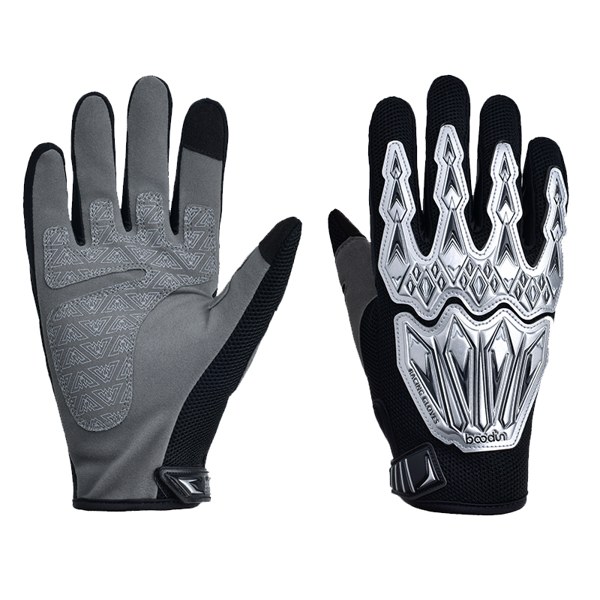
Why material choice matters
For sports gloves, material is not only a design choice. It affects how the glove feels, how long it lasts, how it handles sweat or cold weather, and how consistent the bulk order can be. Buyers should define the target sport, price range, expected durability and sales channel before choosing materials.
Main material areas
| Area | Typical choices | Buyer concern |
|---|---|---|
| Palm | Synthetic leather, microfiber, PU, suede-like material, silicone grip areas | Grip, abrasion resistance, touch feel and cost |
| Back of hand | Elastic fabric, mesh, neoprene, softshell, woven fabric | Breathability, fit, warmth and appearance |
| Padding | Foam, gel, EVA or layered reinforcement | Shock absorption, comfort and thickness |
| Lining | Fleece, brushed fabric, thin knit or no lining | Warmth, seasonality and user comfort |
| Closure | Hook-and-loop, elastic cuff, pull tab or extended wrist support | Fit, adjustability and use scenario |
Material choices by product line
Fitness gloves
Buyers usually focus on palm grip, padding, wrist support and breathable back fabric. The material should support repeat use and sweat exposure.
Cycling gloves
Cycling gloves often need palm padding, breathable back panels, pull tabs and flexible materials that do not restrict handlebar control.
Tactical and protective gloves
These gloves usually need abrasion resistance, reinforced palm areas, knuckle protection and a more durable construction.
Winter sports gloves
Winter gloves need warmth, wind resistance, grip and cuff design. Material selection should match the expected temperature range and use case.
Questions buyers should ask
- Will this material support the expected use and durability?
- Does the chosen material affect MOQ or sample time?
- Can color and texture remain stable in bulk production?
- Which material areas are most important for the target sport?
- How will logo and packaging choices affect the final product cost?
Need help developing a custom sports glove?
Send your product type, target quantity, market, logo file and reference photos. BURTONO will review MOQ, sample path and customization options.