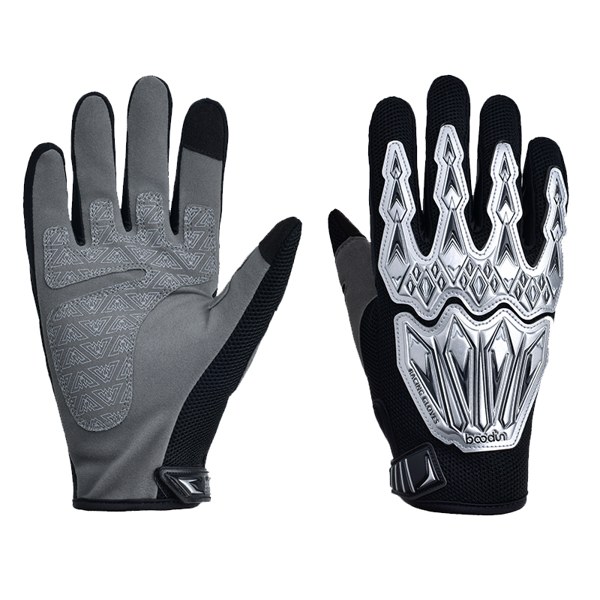
Packaging is often the final detail that makes a private label glove feel retail-ready. For brands, importers and distributors, the right packaging should protect the glove, present the brand clearly, and stay realistic for the order quantity.
Typical MOQ for customized packaging
Sample timing3-7 days after logo and packaging files are confirmed
Delivery time15-30 days depending on materials and order quantity
Common Packaging Formats
Packaging type
Best for
Buyer notes
OPP bag with label
Starter orders, Amazon prep, test batches
Simple, cost efficient and fast to prepare.
Header card
Retail display and entry-level private label
Good balance between brand visibility and cost.
Hang tag
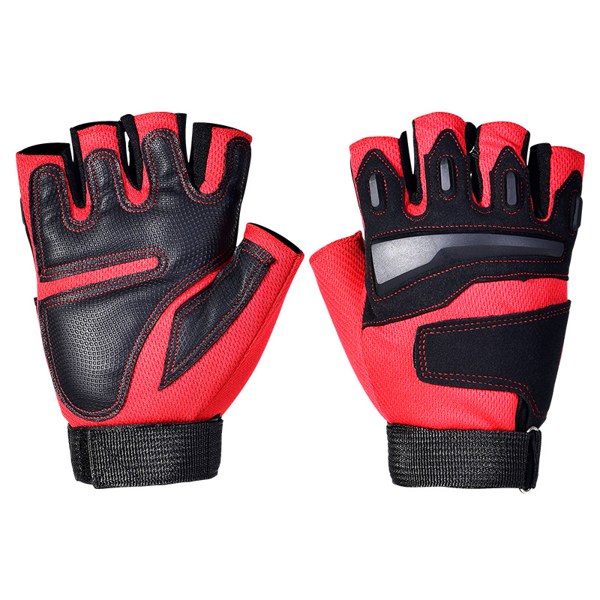
Fitness, motorcycle and outdoor gloves
Works well when product texture should remain visible.
Paper sleeve
Premium minimalist presentation
Useful for clean brand positioning and lower plastic use.
Color box
Gift, winter sports and retail shelf
Higher unit cost, but stronger shelf presence.
What Buyers Should Prepare
Logo files in AI, PDF, SVG or high-resolution PNG format.
Preferred packaging type, size requirement and barcode position.
Any marketplace labeling requirements, such as FNSKU, warning label or country-of-origin marking.
Brand color references, Pantone codes and product information text.
Practical Recommendation
For a first private label order, many buyers start with a logo label, hang tag or header card because these options are flexible and easier to control at lower quantities. Color boxes are better once the glove model, size ratio and sales channel are stable.
FAQ
Can packaging be customized for small orders?
Yes. Simple logo labels, hang tags and sleeves are usually more suitable for small custom orders than complex printed boxes.
Can each glove size use a different barcode?
Yes. Buyers can provide barcode or marketplace labels by size and color before bulk packaging starts.
What is the fastest packaging option for samples?
A printed label or simple hang tag is usually the fastest because it requires less tooling and fewer print adjustments.
Bulk sports glove quality depends on a confirmed sample, practical inspection points and clear communication before shipment.
Use the approved sample as the reference
The approved sample should guide material, color, logo position, stitching, sizing, packaging and functional details. Without a clear reference, buyers and factories may judge quality differently.
Bulk order QC checklist
Area
What to check
Material
Palm, back fabric, lining, padding, grip and color consistency.
Sizing and fit
Finger length, palm width, wrist closure and size labels.
Stitching
Loose threads, skipped stitches, edge finishing and stress points.
Function
Grip, padding, flexibility, warmth or protection depending on category.
Branding
Logo method, color, position, size and durability.
Packaging
Hang tags, labels, barcode, polybag, retail box and carton marks.
Before shipment
Confirm quantity by size and color.
Review carton information and packaging requirements.
Check whether any production issues need buyer confirmation.
Keep inspection findings and shipment readiness clear.
Buyer tip: If your sales channel has packaging or barcode requirements, confirm these before production instead of waiting until shipment.
Need help developing a custom sports glove?
Send your product type, target quantity, market, logo file and reference photos. BURTONO will review MOQ, sample path and customization options.
Before paying for samples, buyers should check whether a sports glove factory can communicate clearly, understand the product category and control production risk.
Start with clear operating facts
A trustworthy factory should be able to explain MOQ, sample delivery time, delivery time, customization options and basic quality control steps without vague claims. For sports gloves, buyers should expect direct answers about material, construction, logo method, packaging and delivery timing.
Evaluation checklist
Signal
What to look for
MOQ clarity
MOQ from and customization scope are explained separately.
Category knowledge
The factory can discuss fitness, motorcycle, tactical, winter or protective glove differences.
Sample process
Sample time, sample requirements and approval steps are clear.
Customization scope
Logo, material, color, stitching, packaging and function options are explained realistically.
QC process
Material, stitching, sizing, logo and packaging checks are part of the order process.
Communication
The factory asks useful questions instead of giving only generic sales promises.
Questions to ask before samples
What is the MOQ for this glove if we only customize logo?
What MOQ changes if we customize material, color or packaging?
How long will the sample take after details are confirmed?
Which parts of the glove are most important for QC?
What information do you need to quote accurately?
Red flags
Be careful when a supplier gives an extremely low MOQ for every type of customization, avoids material questions, cannot explain sample approval steps, or promises unrealistic delivery time without checking specifications.
Need help developing a custom sports glove?
Send your product type, target quantity, market, logo file and reference photos. BURTONO will review MOQ, sample path and customization options.
OEM and ODM are both useful, but they require different buyer inputs. Understanding the difference helps avoid slow samples and unclear quotations.
OEM sports gloves
OEM usually means the buyer already has a design direction, reference sample, logo requirement or specification. The factory helps manufacture the product according to the agreed details. OEM is suitable when the buyer knows the target product clearly.
ODM sports gloves
ODM usually means the buyer needs development support from an idea, product function or market requirement. The factory helps recommend structure, material direction and product details before samples.
Item
OEM
ODM
Buyer input
Clear reference, logo, material and packaging direction
Target sport, user, function and market goal
Speed
Usually faster if details are clear
May need more discussion and sample revision
MOQ
Can be lower for existing styles
Can be higher if new materials or structure are required
New custom product making and differentiated brand ideas
What buyers should prepare
Product category and use case.
Reference photos or existing sample.
Target country or market, quantity and price range.
Logo file, label and packaging plan.
Material, color and function preferences.
Required sample date and launch schedule.
Best practice: If you are not sure whether your project is OEM or ODM, send the product goal and reference photos. The factory can suggest the most efficient path.
Need help developing a custom sports glove?
Send your product type, target quantity, market, logo file and reference photos. BURTONO will review MOQ, sample path and customization options.
MOQ is one of the first questions new private label brands ask. The right MOQ depends on whether the buyer uses a regular style or requests deeper customization.
Typical MOQ range
For BURTONO sports glove projects, MOQ can start from 300 pairs. The exact MOQ depends on product category, material, color, logo method and packaging.
Project type
Typical MOQ
Best for
Regular style with logo
300 pairs
New brand testing, marketplace listings and faster launch
Existing style with custom color/material/packaging
From 300 pairs
Private label collections and importer projects
ODM development
Depends on complexity
Brands with a specific structure or function requirement
Why MOQ changes
Special materials may need supplier minimums.
Custom colors can require dyeing or material ordering minimums.
Logo and packaging methods may have setup cost.
Complex construction usually takes more production preparation.
Very small orders may have higher unit cost because setup work is spread across fewer pairs.
How new brands can reduce risk
New brands do not always need to start with a fully custom glove. A practical path is to choose an existing base style, customize logo and packaging, test the market, then refine materials or construction after demand is proven.
Faster path
Use an existing style, customize logo and packaging, and launch with a smaller quantity.
Custom path
Use ODM development when the brand needs a specific design, function or material structure.
What to ask before samples
What is the MOQ for the regular version?
Which custom requests increase MOQ?
Can packaging be customized at the planned quantity?
What is the sample cost and sample time?
How will unit cost change at higher quantities?
Need help developing a custom sports glove?
Send your product type, target quantity, market, logo file and reference photos. BURTONO will review MOQ, sample path and customization options.
A clear sample checklist reduces revisions and helps buyers move from idea to approved production sample faster.
Before the factory makes a sample
The best samples start with a complete product brief. A vague request such as “make a good glove” usually leads to extra revisions. A useful brief explains the buyer’s market, product use, expected quantity, target price and customization needs.
Buyer sample checklist
Item
What to prepare
Product direction
Fitness, motorcycle, tactical, winter sports or protective glove.
Reference material
Photos, previous sample, catalog page or competitor reference.
Branding
Logo file, logo size, placement and preferred logo method if known.
Material request
Palm, back fabric, lining, padding, grip and closure direction.
Color
Pantone number or clear photo reference.
Packaging
Polybag, hang tag, retail box, barcode label or carton mark needs.
Order plan
Expected quantity, market and launch timeline.
What to check after receiving the sample
Fit and size: check finger length, palm width and wrist closure.
Material feel: compare the sample with the target sport and price range.
Logo: check position, scale, color and durability of the logo method.
Stitching: review visible stitching, stress points and edge finishing.
Function: test grip, padding, flexibility, warmth or protection depending on category.
Packaging: confirm label, hang tag, barcode and packing direction before production.
When is a sample ready for bulk order?
A sample is ready when the buyer and factory agree on the exact specification that production should follow. The approved sample should become the reference for material, color, size, logo, stitching and packaging.
Practical rule: Do not approve a sample only based on photos if the product depends heavily on fit, material hand feel or padding thickness.
Need help developing a custom sports glove?
Send your product type, target quantity, market, logo file and reference photos. BURTONO will review MOQ, sample path and customization options.
Choosing a palm material is not only a question of price or brand. For an OEM sports glove, the important question is whether the approved material can pass the same performance checks that will be used on the finished order.
A 12,000-pair lesson about buyer-specified microfiber
In June 2021, we produced 12,000 pairs of custom gloves for a European extreme-sports brand. The buyer’s design team specified Japanese Kuraray microfiber for the palm. It was a reputable material, and the initial sample review was completed before production began.
During production, the brand’s QC team applied its own test protocol. The material showed colour transfer under friction and surface shedding. Those results had not appeared in the initial sample review.
We checked alternatives available at the time, including Kuraray Clarino N8050 and Korean SUEDE DEUCE microfiber in 0.9 mm. Under the brand’s QC protocol, both showed the same colour-transfer and surface-shedding behaviour. The issue was not simply that one microfiber was better or worse. The material approval and the final inspection were using different standards.
The delivery window was missed. The buyer accepted the goods at a discount rather than scrapping the complete order, and both sides shared the cost. The exact client name is confidential, but the production record changed one part of our process: a material name alone is not a complete material specification.
CASE OVERVIEW A material name is not a test standard
01June 2021
12,000 pairs for a European extreme-sports brand.
02Material named
Japanese Kuraray microfiber was specified and approved at sample review.
03QC standard missing
Final inspection used an unshared friction-test protocol.
04Bulk risk found
Colour transfer and surface shedding delayed the delivery window.
05New approval rule
Agree the test method and keep a sealed sample before bulk cutting.
Buyer question: If your design team approves a material by look and feel, but your QC team later applies a test that was never shared during sampling, who owns that production risk? The practical answer is to agree the test before production, not debate it after 12,000 pairs are finished.
What actually went wrong
Kuraray microfiber is widely used in glove production. The case was not about a counterfeit or obviously low-grade material. The designer approved the material against one set of checks; the QC team used another. Neither the test method nor the pass/fail criteria had been documented as part of the sample approval.
This risk is most common when a buyer names a material supplier but does not state what the material must do. Colour fastness, surface durability, abrasion resistance, thickness and friction performance are different requirements. A supplier name does not replace a written performance standard.
How we now handle buyer-specified materials
Agree the test standard, not only the material name. When a buyer specifies a material, we ask for the test method and pass/fail criteria that their QC team will use. We can check the production material against that agreed requirement before bulk cutting.
Keep an approved physical reference. The agreed material sample should be sealed and signed by both sides. It becomes the production reference; a supplier datasheet or a material name on its own is not enough.
Write the responsibility boundary into the approval record. The sample approval should state the material, colour, batch reference where available, test method and acceptance criteria. This protects both buyer and factory if a different test is later introduced.
There is a practical limitation: even the same microfiber product code can vary between production batches. Dye lots, surface finishing and warehouse time can affect colour and feel. For that reason, a production-batch test cut is useful when the requirement is strict or the order value is high.
Material choices by glove zone
Area
Typical choices
What to confirm before sampling
Palm
Synthetic leather, microfiber, PU, suede-like material, silicone grip areas
Grip, abrasion resistance, friction/colour test and thickness
Send your glove category, target quantity, reference photos, desired material and any QC test method. BURTONO Sports Gloves Factory will help identify the points that need to be agreed before production.
We use Google Analytics to understand anonymous page use and improve this website. We do not send inquiry names, email addresses or project details to Analytics.